Dusty Lake Overnight- Beginner Friendly (BP-1)

Trip Name Dusty Lake Overnight- Beginner Friendly
Trip Start Date May 8, 2026
Type of Trip Backpack
Rating BP-1
Leader Name Victoria Purkey
Leader Email vicop_1776@hotmail.com
Roundtrip Drive Mileage 166
Carpooling Cost $20
Additional Fees Discover Pass
Trailhead Name Lower Ancient Lakes Trailhead
Latitude/Longitude 47.1519, -119.9223
Trip Description Overview
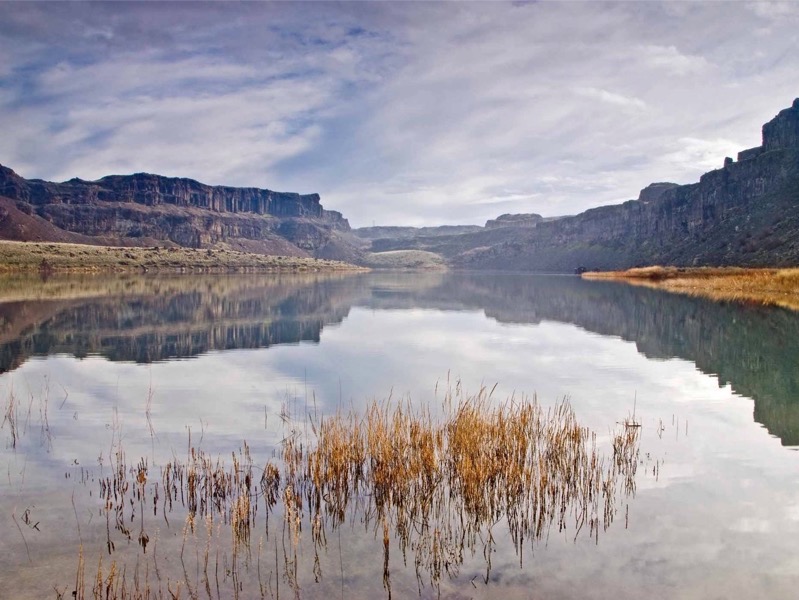
Dusty Lake is one of the Quincy Lakes, set further in the backcountry, making it a great destination for a long day hike or an overnight. The entire area was carved by the Ice Age Floods, and Dusty Lake lies at the head of the South Alcove of Potholes Coulee, flanked by 200–300-foot basalt cliffs. This dramatic high-desert scenery — big skies, towering basalt walls, and a tranquil lake — makes for an unforgettable first backpacking experience. May is a wonderful time to visit, with mild temperatures and wildflowers beginning to bloom across the Columbia Basin.
Mileage & Elevation
∙ Trailhead to Dusty Lake (lower trailhead): ~3 miles one way
∙ Round trip: ~6 miles
∙ Elevation gain: approximately 350 feet
∙ Highest point: ~1,000 feet
This is one of the gentlest overnight routes in Eastern Washington — nearly flat, with minimal elevation change — making it ideal for first-time backpackers.
Route Description
From the lower trailhead, the route follows an old 2-track along Babcock Bench in the direction of Ancient Lakes. Rather than turning off toward those lakes, continue across the mouth of the North Alcove and around the nose of the coulee rib — about 1 mile — to another old 2-track heading left up the South Alcove. Follow this trail up the coulee about a mile to the west end of Dusty Lake. This end of Dusty Lake is much broader than the east end, with plenty of area to explore. Return the way you came.
Itinerary
Friday, May 8 — Drive to the lower trailhead and hike approximately 3 miles to Dusty Lake. Set up camp and enjoy the stunning coulee scenery. Don’t forget to bring lunch for the trail!
Saturday, May 9 — Explore the lake and surrounding basalt cliffs at your leisure, then pack up and hike the 3 miles back to the trailhead.
Campsite & Facilities
Camping is at Dusty Lake at the west end of the lake, which offers plenty of open space to spread out and explore. There is a toilet at the trailhead. Practice Leave No Trace camping — pack out all waste and leave the site as you found it.
Water
While there is water along this route, the water in the lakes is runoff from the plateau above and has not been tested. Always filter water before drinking — or better yet, plan to carry in all the water you’ll need for the duration of your stay.
What to Bring
Parking: A Discover Pass is required for parking at the trailhead.
Gear: All standard backpacking essentials are required, including:
∙ Backpack, tent, sleeping bag (rated for 25 degrees or less) & insulated sleeping pad
∙ Stove, fuel, cookpot, and utensils
∙ Water filter or treatment tablets (or carry all water in)
∙ Headlamp and extra batteries
∙ Sun protection — the Columbia Basin is wide open and exposed
∙ Wind layers — it can be breezy in the coulee even on warm days
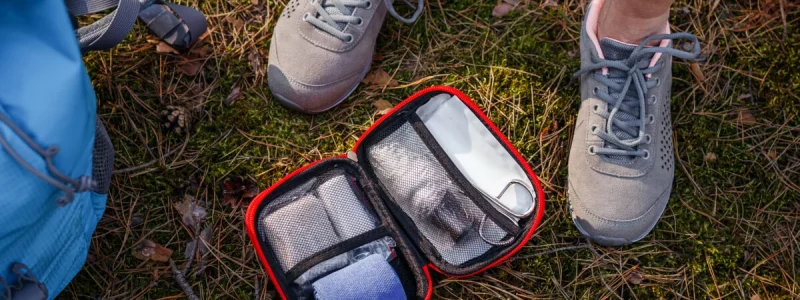
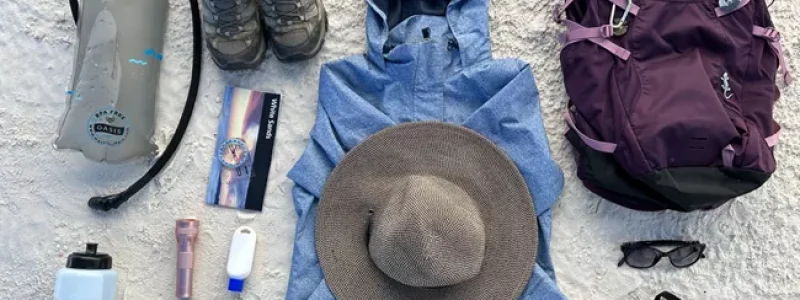
∙ The Ten Essentials (navigation, sun protection, insulation, illumination, first aid, fire, repair tools, nutrition, hydration, emergency shelter)
Food: Pack all meals for the trip. Bring lunch for Day 1 — you’ll want it on the trail or at the lake.

Questions?
If you have questions or need help with gear selection, reach out to the trip leader. We’re happy to help anyone new to backpacking get set up for a comfortable, enjoyable trip!

Photo by David Hagen sourced from WTA.org.

Max attendees 12

Approximate Mileage 6
Elevation Gain 350 ft
Departure Time 7:00 AM
Sign up by May 6, 2026

Each participant is responsible for their own safety and being prepared. Planning and preparation start with the 10 Essentials and staying up-to-date on road and trail conditions, permit requirements, party size limits, snowpack, wildfires, and weather.

Visit the activity classification page  for detailed information on difficulty rating for I-MAC trip so you can sign up for activities that best match your fitness and comfort levels.

Visit TRIP COSTS & PASSES for detailed information about trip costs.

To help protect and care for these special places that we enjoy exploring, I-MAC members always practice Leave No Trace and follow the 7 Principles of Leave No Trace. Ask your trip leader if you have questions about Leave No Trace or suggestions for helping to reduce our footprint.

  • 00

    days

  • 00

    hours

  • 00

    minutes

  • 00

    seconds

  • 1Select Ticket
  • 2Attendees
  • 3Payment
  • 4Confirmation
Form/ticket icon icon
Dusty Lake Overnight- Beginner Friendly (BP-1)
Free
Form/up small icon icon Form/down small icon icon
Available Tickets: 12
The "Dusty Lake Overnight- Beginner Friendly (BP-1)" ticket is sold out. You can try another ticket or another date.
Total: 0

Date

May 08 - 09 2026

Time

All Day

Location

Lower Ancient Lakes Trailhead

Category

Organizer

Victoria Purkey
Email
vicop_1776@hotmail.com
REGISTER
QR Code
mountaineering practice

I-MAC Basic Mountaineering Course

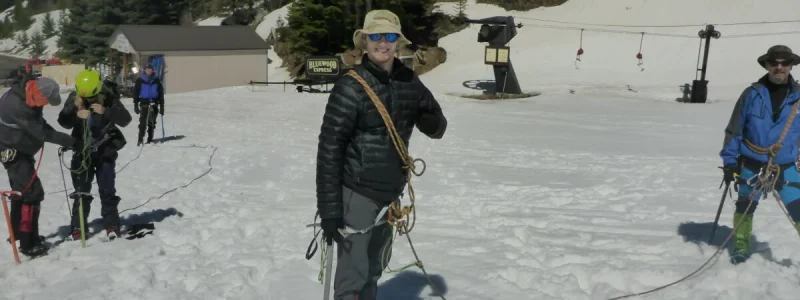
For those looking to enhance their outdoor adventures beyond backpacking, the mountaineering course is full of instructional knowledge and practical learning to prepare students for summiting mountains in the Pacific Northwest.  The course covers basic and technical climbing skills, including rope handling, anchors and knots, rappelling and ascending, snow and glacier travel, gear selection, and navigation.  Essential safety information is relayed as well, including how to conduct risk assessments, interpret weather conditions, and plan a trip with other climbers.  In addition, the following skills are covered: basic first aid, self-arrest, crevasse rescue, and avalanche awareness.
 
The course is held every year in the spring and includes both classroom sessions and hands-on learning.  Upon course completion, students are given the opportunity to summit PNW mountains on a team-coordinated climb.  The course itself is FREE apart from a nominal gear rental fee and an I-MAC membership.  Additional costs for individual gear may be applicable.  For more information contact Eddie Goss at imac.climbing@gmail.com.
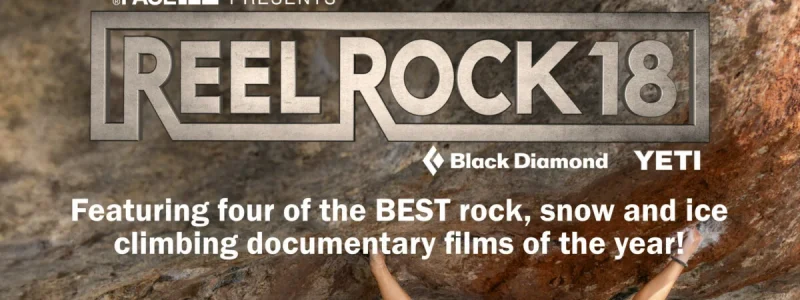
2024_Real_Rock_Flyer_cropped

Community Programs

I-MAC enjoys providing the community with opportunities to come together with other outdoor enthusiasts to learn and share. The Reel Rock Film Fest is one such event. This annual event showcases a set of spectacular films about rock climbing (Think Free Solo, only shorter). REI and local climbing clubs toss prizes into the crowd during the intermissions. Proceeds from the event go to worthy organizations selected by the I-MAC Board.

We also host guest speakers from outside the area to provide presentations on mountain climbs, ski tours, hiking and other backcountry adventures. I-MAC members also provide presentations on a variety of topics from epic club hikes to conservation.

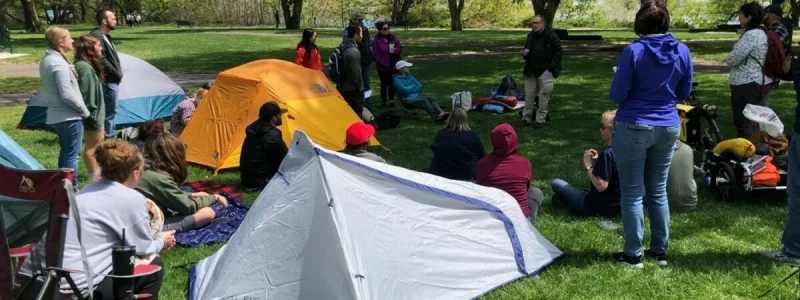
Backpacking School 2023

Backpacking School

Are you interested in learning how to backpack? If yes, then the I-MAC Backpacking School is for you. This free two-day class is offered nearly every year. A combination of indoor and outdoor classes teaches you what you need to know to start backpacking on your own.

The purpose of the backpacking school is to prepare participants for comfortable and safe multi-day backpacking trips. No prior experience in the outdoors is required. Each topic is taught by an I-MAC member with years of experience.

Topics include:
· The ten essentials
· Training for a backpacking trip
· Gear (e.g., tents, sleep systems, water filters, stoves, backpacks)
· Nutrition and cooking
· Water purification
· Route planning
· Navigation including map & compass and digital navigation

The first day consists of lecture-style presentations. The second day includes outdoor field demonstrations of equipment and techniques at a local park. The school culminates in overnight backpacking trips led by I-MAC trip leaders.

Before the course, we recommend you get the book The Backpacker’s Field Manual, by Rick Curtis, and read as much as you can (it is not available through REI). We also recommend that you join I-MAC before the school. Membership will get you access to more information about our trips, both before and after, and about our community.

The school is free and open to the public.

Registration is required.

For inquires, please email to backpacking@imacnw.org.

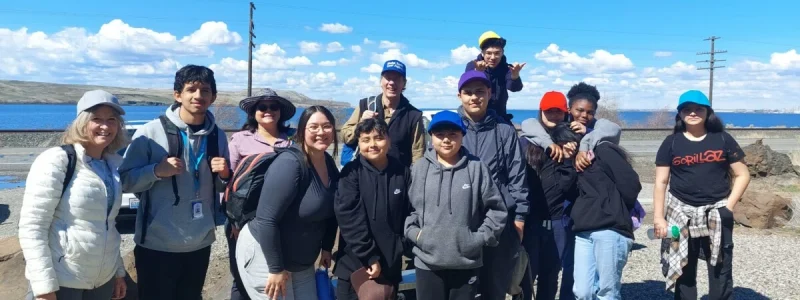
2023_04_04_sendero_scouts_so1

Youth Outreach

I-MAC partners with local community organizations to teach youth outdoor skills and provide outdoor experiences, such as hiking. I-MAC has partnered with Boys and Girls Club of Benton and Franklin Countries as well as Girls Scouts of Eastern Washington & Northern Idaho.

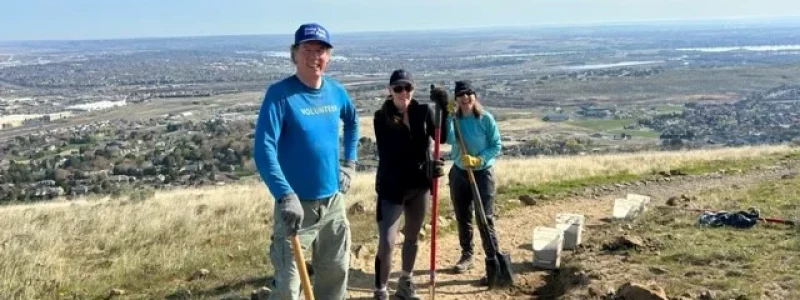
Friends of Badger Mtn trail work 2023

Volunteer Trail Work

I-MAC focuses most of their trail work volunteer time on local trails, specifically Badger and Candy Mountains. These trails are used by 300,000 people every year. The trail work is led by I-MAC’s Jim Langdon, who is the FRIENDS OF BADGER MOUNTAIN TRAILMASTER.

AdobeStock_481984192

Wilderness First Aid

I-MAC hosts Wilderness First Aid classes, provided by outside agencies, on a semi-regular basis. The most recent class was presented by Longleaf Wilderness Medicine and was held at Columbia Basin College, using both indoor and outdoor spaces. Instruction includes both lecture and hands-on practice. Classes are open to the public and I-MAC members can register before the public.

discover_annual_pass2

Trip Costs & Passes

Trip participants are expected to pay drivers a fee to help cover the cost of fuel and vehicle usage. The per milage rate is occasionally adjusted to reflect the general cost of fuel. We want drivers to feel comfortable that their costs are covered, but we would also never want the cost of carpooling to prevent someone from going on a trip. We aim to keep the rate at an acceptable compromise for everyone.

The current mileage rate of $0.12 per mile was voted on by the I-MAC board in April 2023.

On the first day of the trip, be prepared to pay your driver in cash for the amount noted in the trip cost section of the trip description. Checks are not accepted. Some drivers may accept Venmo or other cash apps. Check with the driver prior to the trip if you would like to pay with a cash app.

PASSES FOR PUBLIC LANDS

We are fortunate to have easy access to city, county, state, and federal public lands. Some of these parks and forest are free while other charge fees. Depending on who manages the land, the required fee or pass is different. Below is information about the three primary passes you’ll need to enjoy federal and state public lands in the Pacific Northwest.

Annual Washington State Parks Discover Pass

Discover Pass is a permit that gives you access to state parks and recreation lands in Washington.

Annual Northwest Forest Pass

The Annual Northwest Forest Pass is honored at all US Forest Service operated recreation sites in Washington and Oregon where a day use fee is required.

America the Beautiful Federal Recreation Lands Passes

There are several different America the Beautiful passes to choose from depending on certain criteria. All the passes cover entrance fees at national parks and national wildlife refuges as well as standard amenity fees (day use fees) at national forests and grasslands, and at lands managed by the Bureau of Land Management, Bureau of Reclamation and US Army Corps of Engineers.

Locally, many of these passes can be purchased at REI. All of the America the Beautiful passes are available at the McNary National Wildlife Refuge office at 64 Maple Street in Burbank. All above-listed passes are also available for purchase online.

Wahkeena Falls

Activity Classification

I-MAC strives to provide experiences for folks of all skill levels. We classify excursions by skill level or experience needed so you can sign up for activities that best match your fitness and comfort levels. This helps ensure the safe and enjoyable experience for the entire group. Before signing up for a trip, read the trip description thoroughly. If you have any questions, contact the trip leader. Our trip leaders are happy to discuss any concerns you may have. Note that these classifications are guidelines only. All trip leaders reserve the right to independently vet trip participants.
 

Hiking: DH = DAY HIKE BP = BACKPACK

1 – Easy

Less than 6 miles and less than 1,000-ft elevation gain per day

2 – Moderate

6 to 10 miles or 1,000 to 2,000-ft elevation gain per day.

3 – Strenuous

10 to 12 miles or 2,000 to 3,000-ft elevation gain per day

4 – Very Strenuous

More than 12 miles or more than 3,000-ft elevation per day.

CLIMBING: G = GLACIER R = ROCK S = SNOW I = ICE

0 – Class

No experience needed. This is a training class.

1 – Easy

Minimum experience needed, ample opportunity for instruction.

2 – Moderate

Moderate experience needed, still a good opportunity for instruction.

3 – Strenuous

Advanced levels of experience needed, little opportunity for instruction.

4 – Very Strenuous

Must be entirely self-sufficient, no instruction provided.

WINTER ACTIVITY: SS = SNOWSHOEING

0 – Class

No skills needed. This is a training class.

1 – Easy

Less than 5 miles and less than 500 ft elevation gain.

2 – Moderate

5 to 8 miles or 500 ft to 1,500 ft elevation gain.

3 – Strenuous

More than 8 miles or more than 1,500 ft elevation gain.

4 – Very Strenuous

Usually requires great effort, could include overnight outings requiring full packs.

WINTER ACTIVITY: XC = CROSS COUNTRY SKIING

0 – Class

No skills needed. This is a training class.

1 – Easy

Less than 6 miles and less than 500 ft elevation gain. Minimal stopping and turning skills necessary.

2 – Moderate

6 to 11 miles or 500 feet to 1,500 ft elevation gain. Stopping and turning skills are important.

3 – Strenuous

More than 11 miles, or greater than 1,500 ft elevation gain. Stopping and turning skills a must.

4 – Very Strenuous

Usually requires great effort and advanced skills. This could include overnight outings requiring full packs.

safety-items-2-brand-removals

Ten Essentials

The 10 Essentials are a collection of first aid and emergency items that can help you in the event of minor injuries, sudden weather changes, or unexpected delays. The 10 Essentials are only the basic items you should have with you. You may need additional items depending on the activity in which you participate (e.g., ice ax, climbing rope, personal locator beacon).
 
THE TEN ESSENTIALS*
The 10 Essentials are organized into ten categories, or systems:
 
NAVIGATION
Map, compass, and GPS system Navigation systems are used when planning your route before your trip, and when you need help orienting yourself in your surroundings during your activity. Know how to use a topographical or relief map as well as your compass or GPS unit before going out.
 
SUN PROTECTION
Sunglasses, sunscreen, and hat Sun protection is necessary to protect your skin and eyes against harsh UV rays that are responsible for sunburns and skin cancer. Consider using sunglasses, sunscreen, and hats. Sun-protection clothing such as pants and long sleeve shirts can also help minimize your exposure to the sun.
 
INSULATION
Jacket, hat, gloves, rain shell, and thermal underwear Nature is unpredictable. Be prepared for sudden changes in weather conditions. Pack an extra layer of clothing that reflects the most extreme conditions you could encounter.
 
ILLUMINATION
Flashlight, lanterns, and headlamp Lighting is indispensable in the outdoors where no conventional light sources can be found. Items include flashlights, lanterns, and headlamps. Headlamps are the preferred light source because they are hands-free. Be sure to pack extra batteries.
 
FIRST-AID SUPPLIES
First Aid Kit Be prepared for emergencies by packing first-aid supplies with you. Start with a pre-made kit and modify it to fit your trip and your medical needs. Check the expiration date on all items and replace them as needed. Consider including an emergency guide in case you are faced with an unfamiliar medical emergency.
 
FIRE
Matches, lighter and fire starters Fire can be an emergency signal and a heat source for cooking and staying warm. Pack matches (preferably waterproof) and fire starters – items that catch fire quickly and sustain a flame (e.g., lighter). Familiarize yourself with the fire use regulations of your park before heading out.
 
REPAIR KIT AND TOOLS
Duct tape, knife, screwdriver, and scissors Carry a basic repair kit with you to help repair equipment. The kit should include items such as duct tape, a knife, and scissors. Consider packing a multi-tool, a compact version of many tools that can include a knife, screwdriver, can opener, etc. Be sure to bring any tools specific to your trip and your activity.
 
NUTRITION
Food You should always be prepared for the possibility of changes to your trip plans. Pack an extra day’s supply of food, preferably no-cook items that have good nutritional value in order to keep your energy high. Salty and easy to digest snacks (e.g., trail mix, nuts, and granola bars) work well for outdoor activities.
 
HYDRATION
Water and water treatment supplies Staying hydrated on your trip is of utmost importance! Physical activity increases your risk of dehydration (loss of water and salts from the body), which can lead to negative health consequences. If you’re active outdoors (hiking, biking, running, swimming, etc.), especially in hot weather, you should drink water often and before you feel thirsty. Prepare your water before you need it and do not allow yourself to become dehydrated. Before heading out on your trip, be sure to identify if there are any bodies of water at your destination that you could collect water from and treat using your water treatment supplies. Learn more about purifying water.
 
EMERGENCY SHELTER
Tent, space blanket, tarp, and bivy Shelter is one of the most important elements during an emergency survival situation. It can protect you from severe weather conditions and exposure to the elements. A tent, tarp, bivy sack, or emergency space blanket are all light weight options for emergency shelter.
 
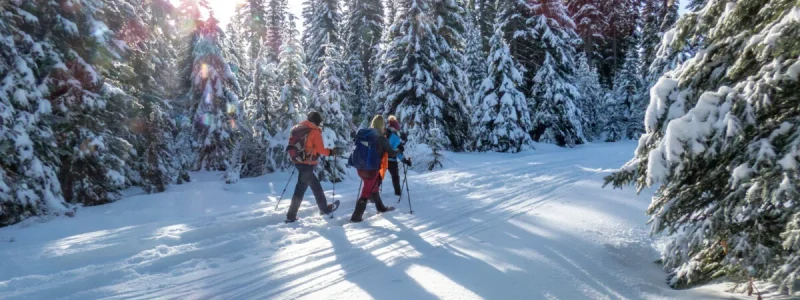
The I-MAC snowshoe crew starting off strong

Snowshoeing

Snowshoeing is like hiking but done in the winter. You can follow established trails or make your own trails through the snow. Snowshoeing is a great way to get outside during the winter months and explore new areas or see your favorite summer hiking trails in a different season. Snowshoeing is an excellent low-impact aerobic exercise and fun way to stay in shape during the winter months.
 
Few outdoor activities are as beginner friendly as snowshoeing. Snowshoes and poles are affordably priced and can be used for many years. I-MAC also rents snowshoes and poles. I-MAC members lead snowshoe trips December through March depending on the snow conditions.
 

Check out the I-MAC ACTIVITY CALENDAR for upcoming trips. If you are interested in joining an I-MAC adventure, review the ACTIVITY CLASSIFICATION and TRIP COSTS & PASSES  pages before you sign up to ensure the trip is right for you.

Each participant is responsible for their own safety and being prepared. Planning and preparation start with the 10 ESSENTIALS  and staying up-to-date on road and trail conditions, permit requirements, party size limits, snowpack, wildfires, and weather.

 
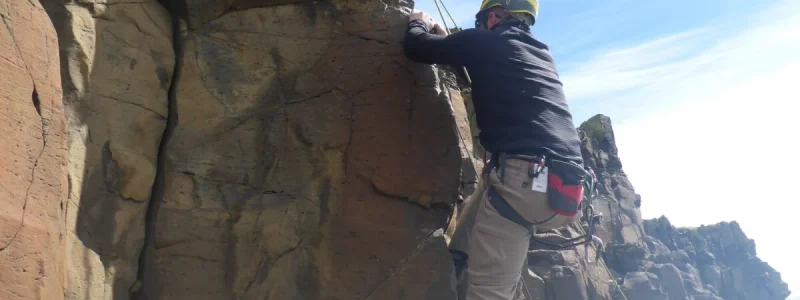
Outdoor Rock Practice at Wallula Gap

Rock & Ice Climbing

Rock climbing is the sport of climbing up, down, or across natural rock formations or indoor climbing walls often with the aid of ropes and special equipment. Ice climbing is a similar concept except it involves ascending routes that consist only of frozen water and requires some different equipment such as ice screws, crampons, and ice tools. Both sports are physically demanding, can be dangerous, and require technical skills and specialized equipment.
 
For adventure seekers interested in building their skills, I-MAC members lead skill development trips throughout the year as well as trips that require advance skills and knowledge of either sport. I-MAC also rents equipment such as helmets, ropes, and ice axes.
 
Check out the I-MAC ACTIVITY CALENDAR for upcoming trips. If you are interested in joining an I-MAC adventure, review the ACTIVITY CLASSIFICATION and TRIP COSTS & PASSES  pages before you sign up to ensure the trip is right for you.
 

Each participant is responsible for their own safety and being prepared. Planning and preparation start with the 10 ESSENTIALS  and staying up-to-date on road and trail conditions, permit requirements, party size limits, snowpack, wildfires, and weather.

 
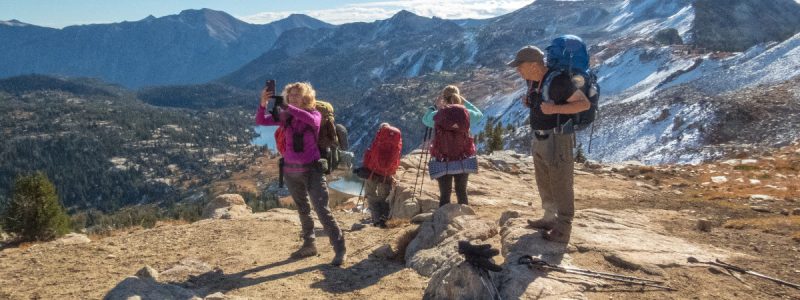
Pausing at the pass to take a selfie

Backpacking

Are you looking to extend your outdoor adventure beyond day hikes? Backpacking is similar to hiking except that you bring all your gear with you including food, clothing, sleeping pad and bag, tent, and other personal items. Backpacking requires physical conditioning to ensure you have the stamina to carry the extra weight and be on the move for multiple days in a row. It is also important to have knowledge of map reading, Leave No Trace Principles, and and basic outdoor skills.

I-MAC members lead backpacking trips from easy overnight trips to challenging multi-day adventures even in the winter! Backpacking is a wonderful way to explore hard to reach locations and get off grid for a while.

I-IMAC offers a backpacking school once a year, which is a combination of indoor and outdoor classes designed to teach you what you need to know to get started on your own backpacking adventure. About once a year, I-MAC sponsors a Wilderness First Aid Class for members. The information learned in these classes can help save a life when out in the backcountry.

Check out the I-MAC activity calendar for upcoming trips. If you are interested in joining an I-MAC adventure, review the Activity Classification and Trip Costs & Passes  pages before you sign up to ensure the trip is right for you.

Each participant is responsible for their own safety and being prepared. Planning and preparation start with the 10 essentials  and staying up-to-date on road and trail conditions, permit requirements, party size limits, snowpack, wildfires, and weather.

Learn More